Welcome to my little cyber-inglenook - pull up a chair, the kettle is on.
Where do I start? My working life currently revolves around leading the development of
software for database developers.
Before that it was trawling the internet and analysing the online debate around leading
brand names... and before that websites in the GIS world, and before that scheduling
for vehicle fleets and manufacturing. Just give me a problem with large amounts of data
to crunch rapidly, and I'm in my element.
Then when I escape from the office I'm a full time crusader for my family, my various
loves and the communities around me, both tangible and ephemeral. For eight years
I represented Eaton Socon on St Neots
Town Council. In 2007 I got the title of Transport Champion - not
an official position and with no extra power, just a particular interest in a set of issues
which affect the town. I take it upon myself to keep as informed as possible, and to
be on the front line persuading, cajoling, networking, protesting, whatever gets the town
a good deal. Obviously my colleagues spotted something in me - the inability to say no,
probably - and 2009 brought, for better or worse, the title of Leader of the Council.
And out of all those jobs sprang the Diary, which I hope
will show that having persistence, diplomacy and a bit of chutzpah are
every bit as important as holding the taxpayer's cheque book.
2011 brought the intense disappointment of defeat, but plenty of alternative outlets
for the campaigning fire opened up as a result; I'm now vice-chair of the
Eatons Community Association, a trustee of
The Pightle Millennium Green Trust,
and webmistress for a growing stable of wesites written and managed for local voluntary
groups and friends.
Everyone has talent. What is rare is the courage to follow that talent to the
dark places it leads.
- Erica Jong
There have been several lulls in the diary, but each time it revives. Something in me just wants to put pen
to paper. Now I've got a proper home of my own and this site will start growing again, although
it still feels like I'm moving in and unpacking the boxes. Literally, in that some of my older
pages just need a bit of brushing off. My favourite themes will soon no doubt become clear.
Perhaps, though, they're best summed up by this from xkcd,
one of my favourite web comics...
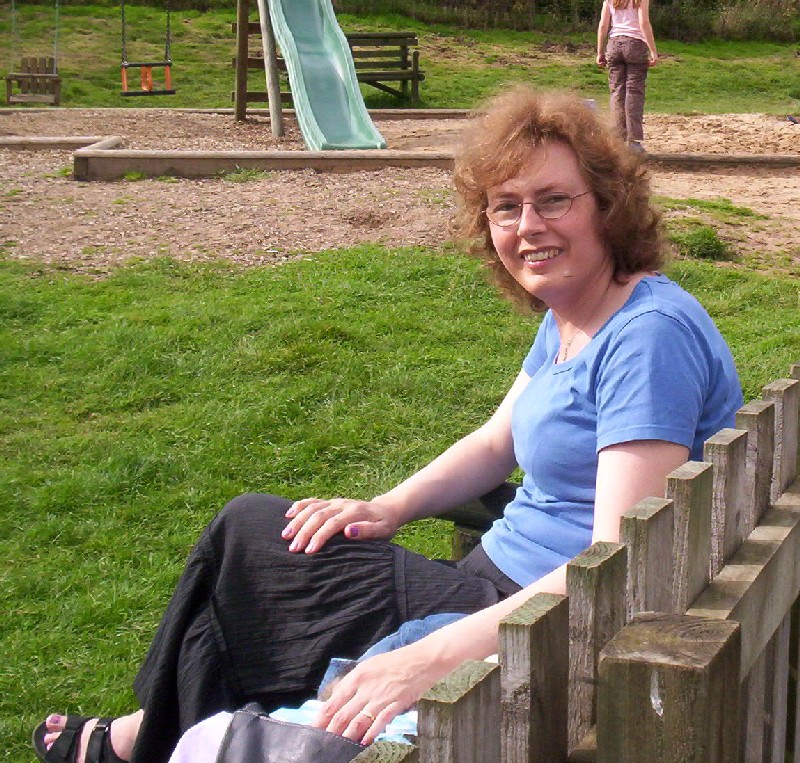
The author on summer holidays 2006
So why not a conventional blog?
Well, there were several reasons I avoided all the sites that make blogging easy:
- I quite like doing HTML from scratch, and it keeps me mentally fit!
- I prefer to organise things by subject rather than by date, particularly if I want to
revisit things after a while,
- I have complete editorial control. That means I know my ramblings will never have tacky
adverts or spyware attached, and will never suddenly become the property of some tycoon on the
other side of the world.
It's also a resource for myself; somewhere I can put thoughts, links, pictures into some
sort of order rather than just having them fill up my PC at home. There's nothing here that
I don't mind sharing with the world, so why not?